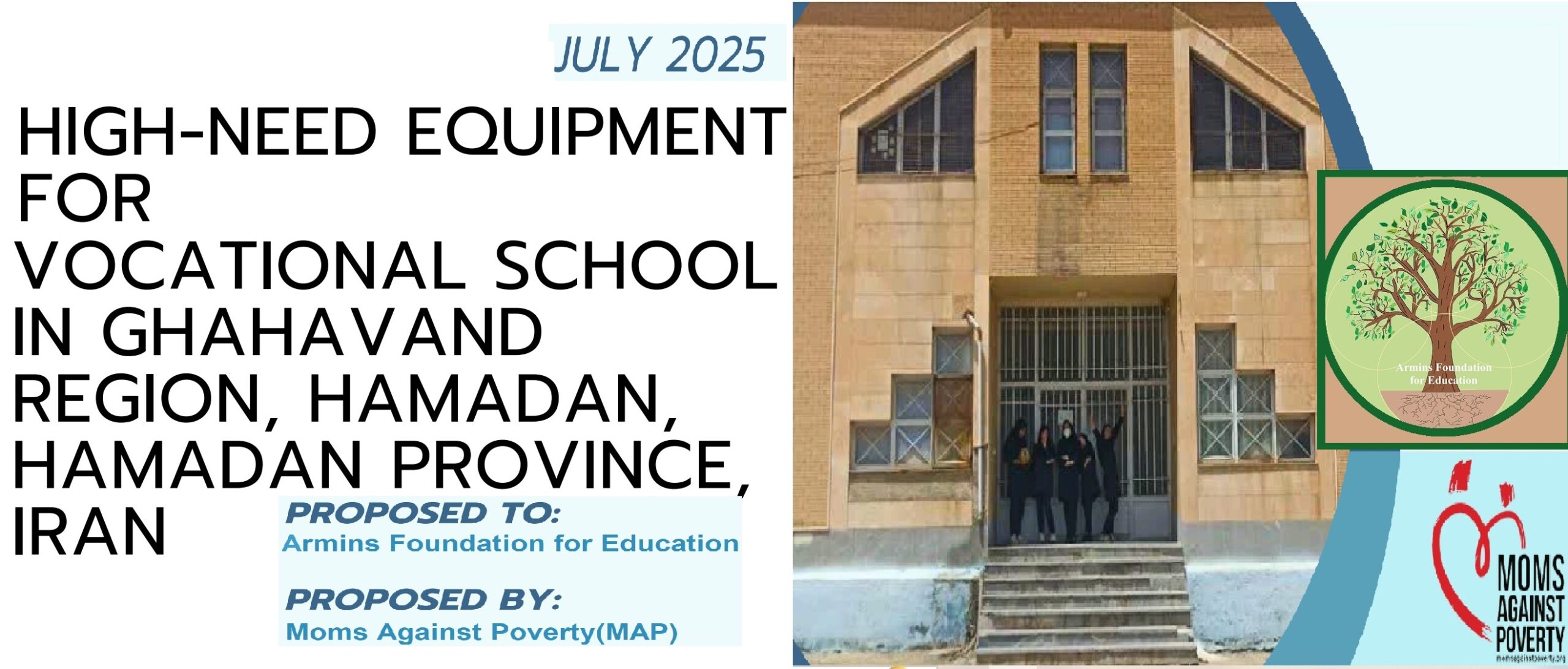
By Armins Foundation for Education Through MAP
Vocational education offers numerous benefits, including:
Diverse Program Offerings: Students have access to a wider variety of
technical and artistic programs compared to traditional high schools.
Practical Experience: Vocational schools provide hands-on experience
alongside theoretical education, fostering a deeper understanding of the
material.
Enhanced Employment Prospects: Students often receive job offers even
before graduation, thanks to the practical skills they acquire.
Teamwork and Cooperation: The collaborative environment in vocational
schools enhances students’ teamwork skills.
Increased Self-Confidence: Engaging in practical work helps boost students’ confidence in their abilities.
Internship Opportunities: Completing internships prepares students to enter the labor market with valuable experience.
Early Workforce Entry: Students can join the workforce a year earlier than their peers in traditional education systems.
Discipline and Creativity: The structured environment promotes discipline,
while diverse programs encourage creativity and self-expression.
Economic Support: Graduates can support themselves and their families,
contributing to economic stability.
Resource Optimization: Vocational training equips students to achieve optimal outcomes with minimal resources.
Employment Growth: Graduates play a vital role in driving employment growth within their communities.
Self-Reliance: The skills learned foster a sense of independence and self-
reliance.
Given these significant benefits, there is a high demand for equipment to support hands-on workshops in vocational programs. However, insufficient funding and economic challenges in the region deprive many children of the opportunity to receive proper education, stifling their technical and artistic talents.
Vocational school graduates not only enter the workforce equipped with valuable skills but also have the option to continue their education in university programs, further pursuing their dreams and enhancing their qualifications.
Overview
The Vocational School for Girls is a vital educational institution serving low-income families in one of the most underserved areas of Hamadan City. It
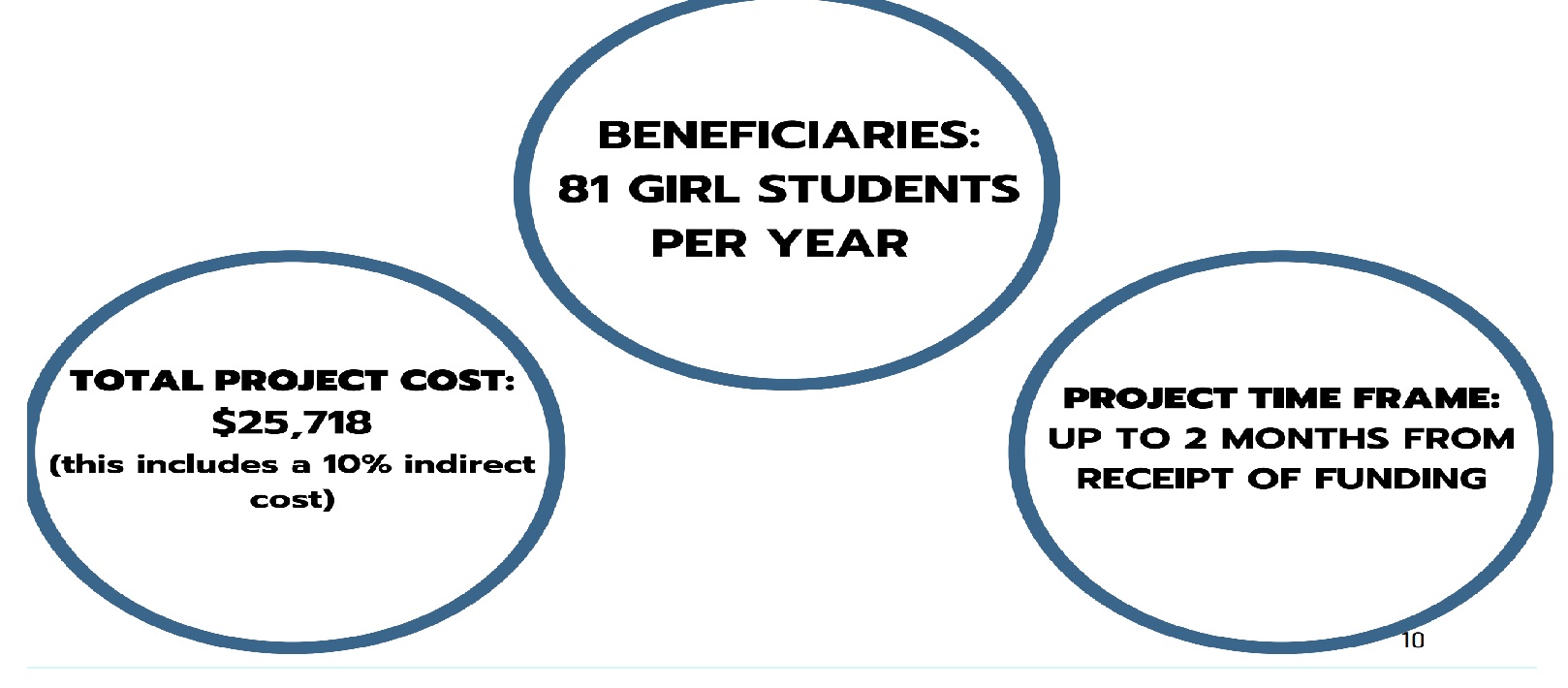
shares a building with a High School and currently educates 81 vocational students. Of these, 45 reside in the school dormitory as they come from distant villages and cannot commute daily. The school’s catchment area includes numerous underresourced villages: Abdol Rahim, Kowzareh,
Ahmadabad-e Tappeh, Moslemabad, Khomajin, Qeshlaq, Firuzabad, Uch Tappeh, Milajerd, Rahjerd, Shirinabad, Aq Darreh, Barakatabad, and Kheyrabad. It acts as a lifeline for girls seeking education and vocational training.
The school lacked the necessary equipment to offer 11th and 12th
grade classes in the sewing discipline. Due to financial hardship,
students could not purchase equipment on their own. Consequently,
after completing 10th grade in garment design, many had left with
no choice but to drop out.
Prior Status
The state of the workshops impaired effective
teaching:
Equipment was outdated or nonfunctional.
Students frequently experienced long delays in accessing
tools.
Dormitory and classroom conditions directly impacted
student morale, mental health, and academic
performance.
EXISTING INFRASTRUCTURE
Computer Lab:
10 computers (outdated)
No projectors or screens
Non-standard desks
Chairs unsuitable for computer use
Sewing Workshop:
1 working sewing machine
2 machines in need of repair
No serger machine
No cutting tables or suitable work chairs
One outdated iron, no vacuum ironing table
No wardrobe for storing finished garments
PROPOSED SUPPORT
Proposed Improvements for the Computer Lab and Sewing
Workshop By Armins Foundation for Education Through MAP
By upgrading and servicing existing equipment and acquiring new
tools, the school can double its training capacity and ensure a
modern, hands-on vocational education. For example:
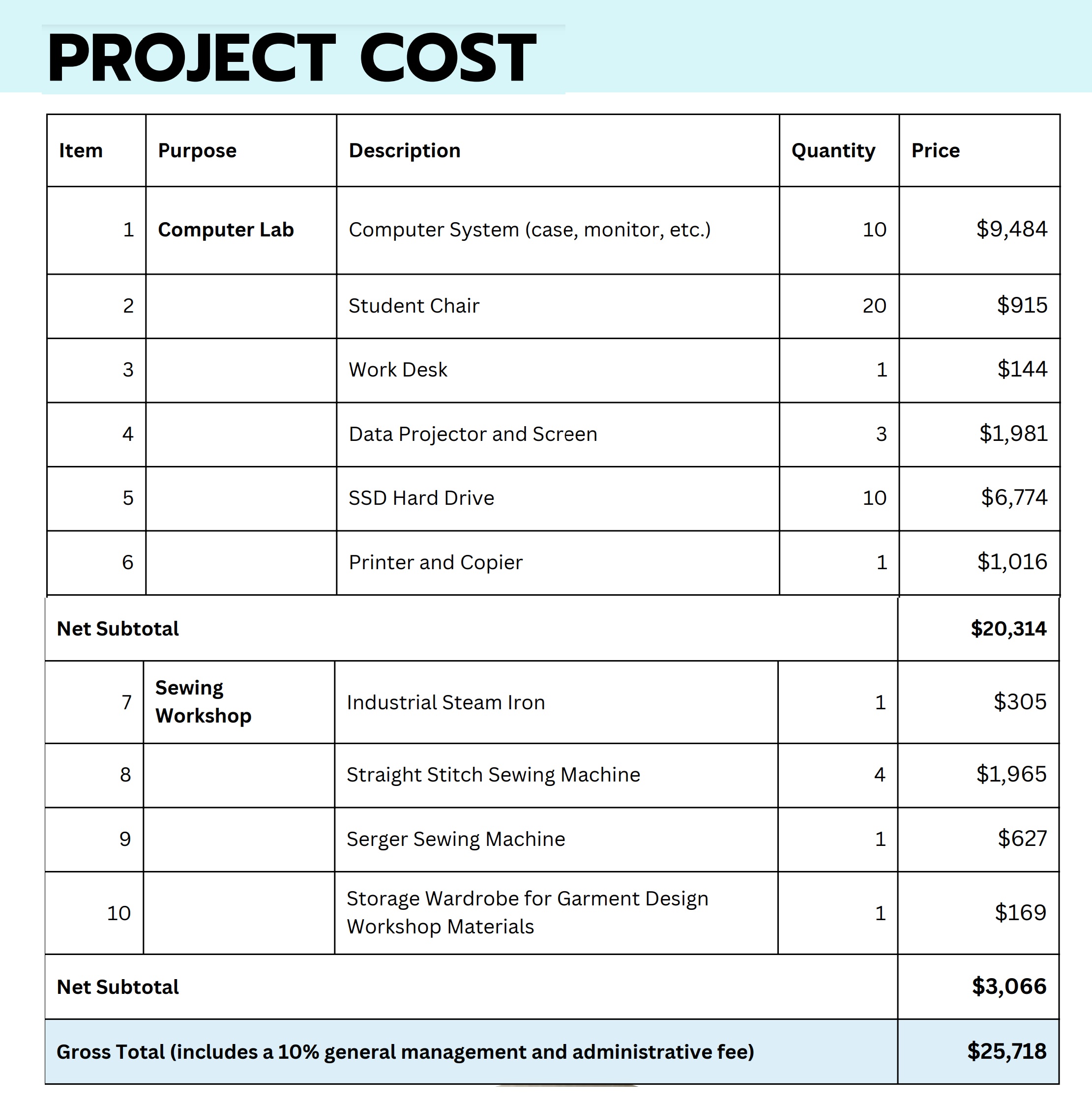
Purchasing 10 SSD hard drives will restore 10 out-of-service
computers.
Buying 10 new systems will increase usable units to 20.
Investing in industrial-grade sewing equipment will allow
students to advance in garment design.
Conclusion
The Vocational School for Girls stands at the center of a critical educational and economic opportunity. With modest but targeted investment in equipment and infrastructure, we can help dozens of girls break free from generational poverty, gain professional skills, and chart new futures.
Without immediate support from Armins Foundation for Education, these students will continue to be denied the tools they need to succeed—placing their futures at risk and reinforcing cycles of hardship. Your funds can change that trajectory.
A 10-year custodial agreement has been signed with the center to ensure:
1- Reallocation of equipment to new centers in the event of dissolution
These safeguards ensure that resources continue serving vulnerable
populations as intended. 2- Protection and maintenance of procured equipment. 3- Prevention of misappropriation or administrative repurposing